Welcome to Patch Plants — your friendly hub for creating a greener, calmer room with the best indoor plants. From popular houseplant classics to low maintenance heroes, we’ll help you choose suitable varieties, place them in the right light, and keep roots healthy all year (yes, even through the winter months).
Light Requirements (Bright, Indirect Light to Low Light)
Most house plants thrive with bright indirect light, but plenty also adapt to various light conditions:
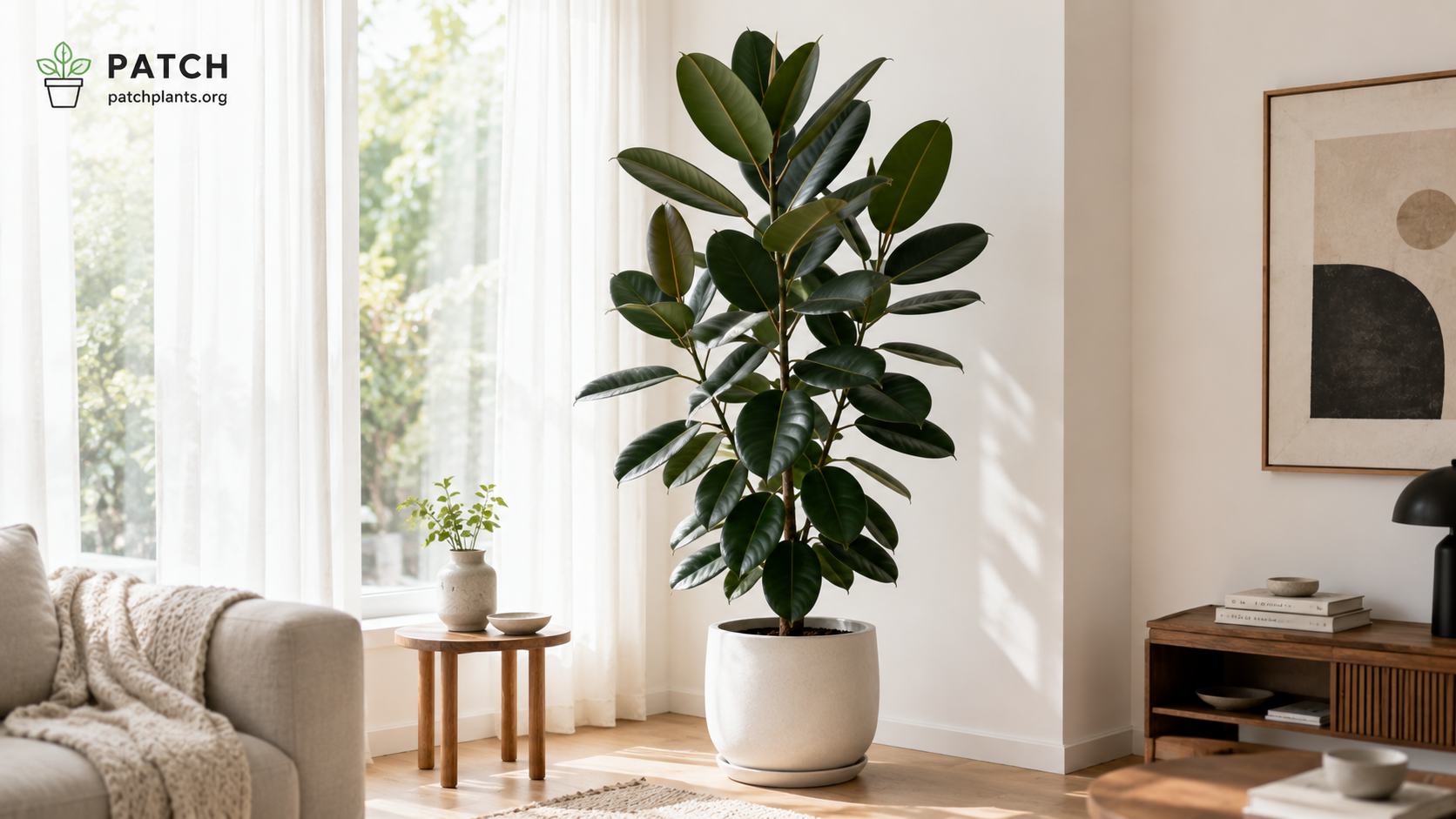
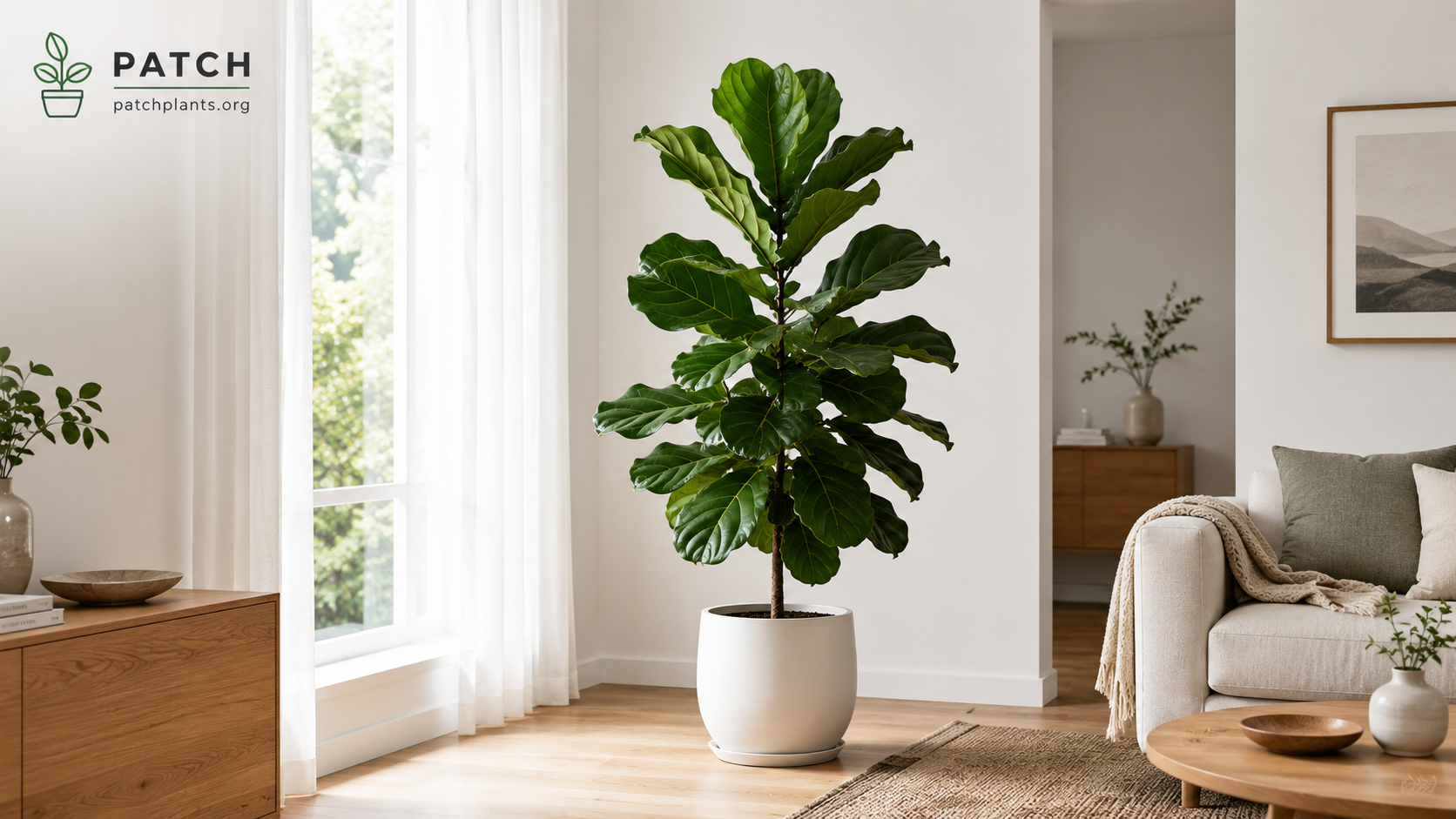
Bright light near a south or east window (filtered) suits ficus elastica and ficus lyrata as they mature into an elegant indoor tree form.
Indirect light or medium light is perfect for chinese evergreen, chamaedorea elegans (parlor palm), and zebra plant.
Low light spaces still welcome resilient favorites like snake plant and ZZ plant; they continue to thrive with minimal fuss.
Avoid harsh direct sunlight on shade-tolerant foliage; leaves can scorch quickly. During winter, move plants a little closer to the sun to compensate for weaker daylight while keeping them away from cold drafts.
Watering & Humidity (Get Moisture Right)
Overwatering is the most common mistake. Let potting soil become slightly dry before you water deeply again, then allow excess moisture to drain completely. A few quick rules:
Water regularly in growth season; reduce frequency in the winter months when growth slows.
Use room-temperature water and containers with drainage so roots never sit in water.
Humidity matters: ferns and tropicals enjoy a warm, higher-humidity environment (bathrooms are great).
Plant-by-Plant Watering Notes
Succulents & crassula ovata (jade): let soil dry out completely between drinks.
Bird’s nest fern: keep evenly moist and provide high humidity for those glossy leaves.
Peace lily: prefers consistent moisture; droop is a gentle reminder to water. See our guide: Peace Lily Care.
Best Indoor Plants to Start With
All of these are a popular choice for beginners and small spaces. Mix different shades of green and textures for living-room impact.
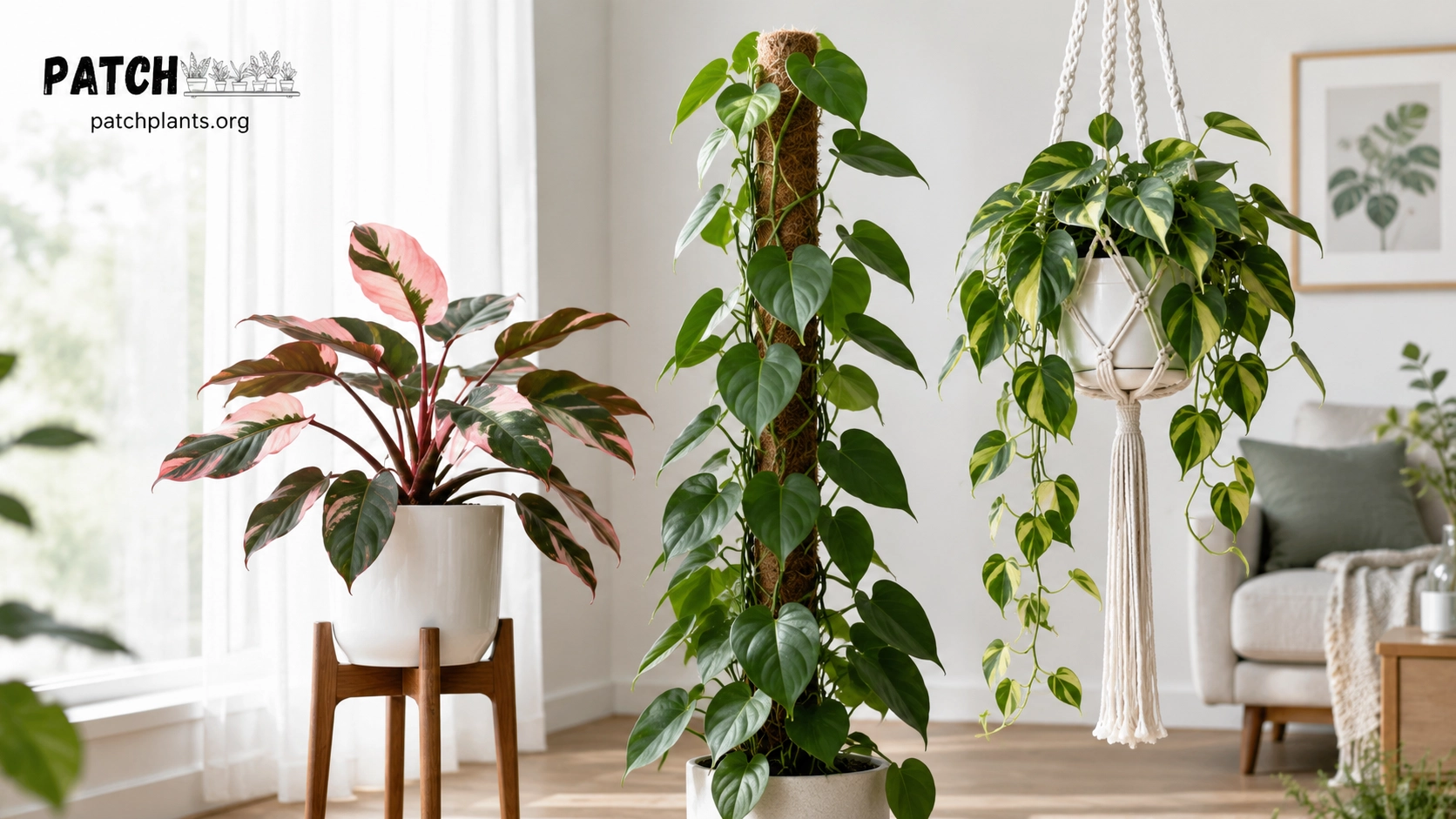
Low maintenance: snake plant, ZZ plant, pothos.
Flowering favorites:african violets with pretty blooms; peace lily for elegant white flowers.
Tropical statement plants:ficus elastica (rubber plant) and ficus lyrata (fiddle-leaf) for tree-like structure.
Airy palms:chamaedorea elegans (parlor palm) for a soft, bright-but-indirect corner.
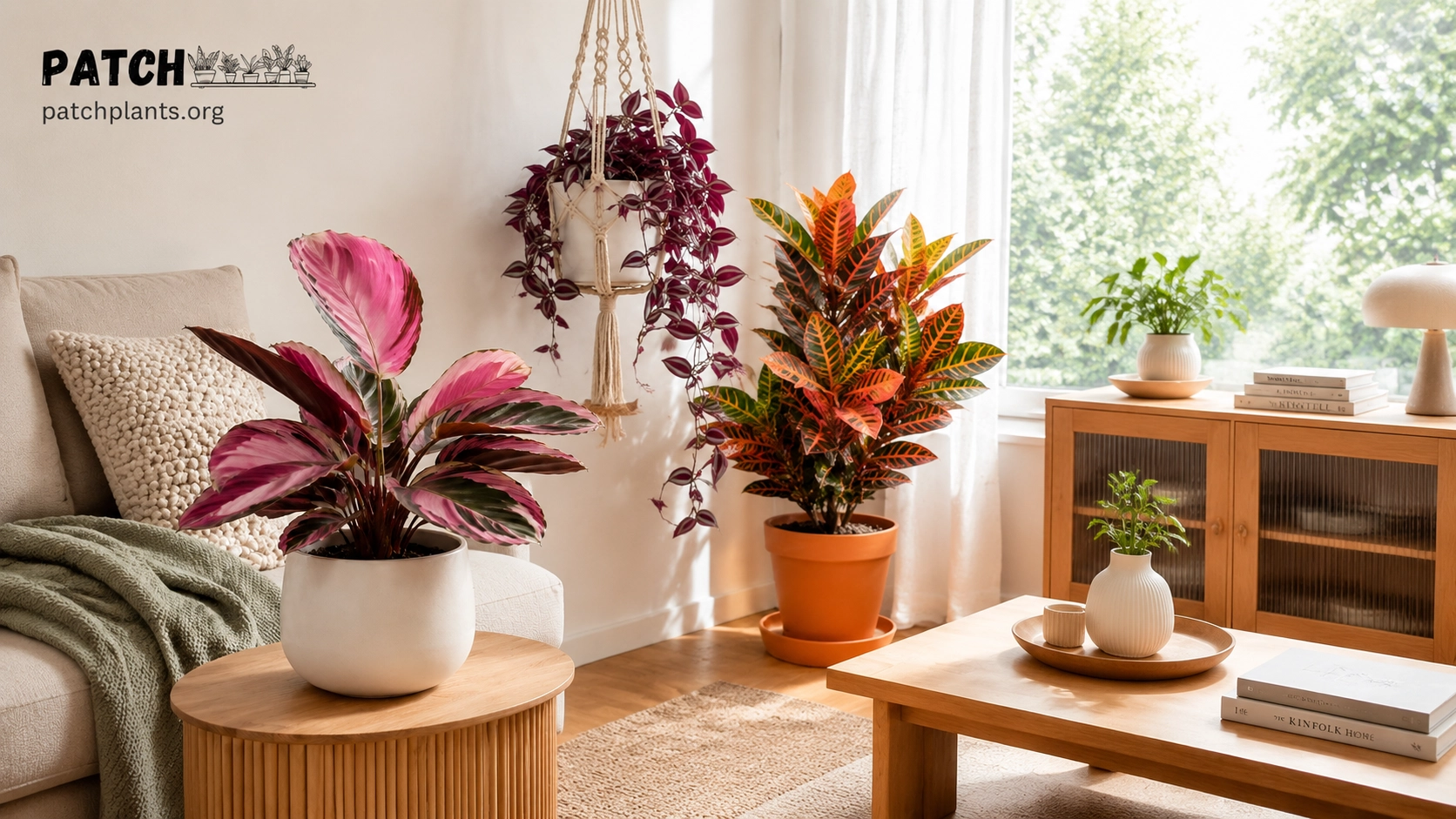
Ferns & friends:bird’s nest fern for humid rooms; prayer plant and zebra plant for pattern lovers.
Desk-ready minis:air plant / air plants (no soil), easy to tuck into shelves and terrariums.
Succulents: mixed pots for sunny ledges; keep watering light and infrequent.
Soil, Pot & Roots
Healthy roots = healthy foliage. Use a free-draining mix tailored to plant type (cactus mix for succulents; peat-free blends for tropicals). Repot when the pot is crowded or water runs around the sides. Choose a pot with a hole, add a saucer, and empty it after watering to prevent excess moisture around the root zone.
House Plant Benefits
Indoor plants bring calm, soften acoustics, and refresh the atmosphere in any room. Many species are a perfect houseplant for work nooks or bedrooms thanks to their gentle growth habit and low maintenance needs. Keep conditions warm, stable, and draft-free so plants can focus energy on steady growth.
Pet & Family Note
Some species are not suitable for homes with curious pets. Always check toxicity before you buy, and position plants out of reach when needed.
Want outdoor inspiration too? Explore our Outdoor Plants and essential Plant Care hubs — and remember, whenever you see Patch Plants, that’s your shortcut home.
Category: Indoor Plants
Indoor Plant Guide for Healthier Homes
Welcome to Patch Plants — your friendly hub for creating a greener, calmer room with the best indoor plants. From popular houseplant classics to low maintenance heroes, we’ll help you choose suitable varieties, place them in the right light, and keep roots healthy all year (yes, even through the winter months).
Light Requirements (Bright, Indirect Light to Low Light)
Most house plants thrive with bright indirect light, but plenty also adapt to various light conditions:
Bright light near a south or east window (filtered) suits ficus elastica and ficus lyrata as they mature into an elegant indoor tree form.
Indirect light or medium light is perfect for chinese evergreen, chamaedorea elegans (parlor palm), and zebra plant.
Low light spaces still welcome resilient favorites like snake plant and ZZ plant; they continue to thrive with minimal fuss.
Avoid harsh direct sunlight on shade-tolerant foliage; leaves can scorch quickly. During winter, move plants a little closer to the sun to compensate for weaker daylight while keeping them away from cold drafts.
Watering & Humidity (Get Moisture Right)
Overwatering is the most common mistake. Let potting soil become slightly dry before you water deeply again, then allow excess moisture to drain completely. A few quick rules:
Water regularly in growth season; reduce frequency in the winter months when growth slows.
Use room-temperature water and containers with drainage so roots never sit in water.
Humidity matters: ferns and tropicals enjoy a warm, higher-humidity environment (bathrooms are great).
Plant-by-Plant Watering Notes
Succulents & crassula ovata (jade): let soil dry out completely between drinks.
Bird’s nest fern: keep evenly moist and provide high humidity for those glossy leaves.
Peace lily: prefers consistent moisture; droop is a gentle reminder to water. See our guide: Peace Lily Care.
Best Indoor Plants to Start With
All of these are a popular choice for beginners and small spaces. Mix different shades of green and textures for living-room impact.
Low maintenance: snake plant, ZZ plant, pothos.
Flowering favorites:african violets with pretty blooms; peace lily for elegant white flowers.
Tropical statement plants:ficus elastica (rubber plant) and ficus lyrata (fiddle-leaf) for tree-like structure.
Airy palms:chamaedorea elegans (parlor palm) for a soft, bright-but-indirect corner.
Ferns & friends:bird’s nest fern for humid rooms; prayer plant and zebra plant for pattern lovers.
Desk-ready minis:air plant / air plants (no soil), easy to tuck into shelves and terrariums.
Succulents: mixed pots for sunny ledges; keep watering light and infrequent.
Soil, Pot & Roots
Healthy roots = healthy foliage. Use a free-draining mix tailored to plant type (cactus mix for succulents; peat-free blends for tropicals). Repot when the pot is crowded or water runs around the sides. Choose a pot with a hole, add a saucer, and empty it after watering to prevent excess moisture around the root zone.
House Plant Benefits
Indoor plants bring calm, soften acoustics, and refresh the atmosphere in any room. Many species are a perfect houseplant for work nooks or bedrooms thanks to their gentle growth habit and low maintenance needs. Keep conditions warm, stable, and draft-free so plants can focus energy on steady growth.
Pet & Family Note
Some species are not suitable for homes with curious pets. Always check toxicity before you buy, and position plants out of reach when needed.
Want outdoor inspiration too? Explore our Outdoor Plants and essential Plant Care hubs — and remember, whenever you see Patch Plants, that’s your shortcut home.
Welcome to your journey toward a lush, thriving home environment. I am Sawera Shahid from patchplants.org, and I am thrilled to help you transform your living space into a personal sanctuary. Many people dream of greenery, but the fear of clutter often holds them back. You deserve a home that feels alive without feeling cramped. Achieving this balance requires a thoughtful approach to indoor plant inspiration. By focusing on rhythm rather than symmetry, you can design a space where every leaf has room to breathe. If you are just beginning…
🌿 Key Takeaways The best smelling indoor plants — from jasmine and lavender to gardenia and hoya — add natural, gentle fragrance to your home without a single synthetic spray or candle, shifting the atmosphere of any room the moment you walk through the door. Jasmine (Jasminum polyanthum) is widely considered the best smelling jasmine plant for indoor growing, producing clusters of sweet white blooms in late winter that fill rooms with one of the most recognisable natural fragrances in the world. Lavender (Lavandula angustifolia) is the definitive best smelling…
🌿 Key Takeaways Calathea plant varieties feature some of the most dramatic leaf patterns in the houseplant world — painted stripes, feathered markings, and bold undersides in pink, burgundy, silver, and cream making them true living artwork Calathea plant care centers on three non-negotiable requirements: bright indirect light for pattern retention, consistent soil moisture without waterlogging, and 50–60% humidity minimum for tropical health Calathea plants belong to the Marantaceae family and are closely related to Maranta and Stromanthe — all sharing prayer plant movement folding leaves upward at night Calathea…
🌿 Key Takeaways Air purifying plants help filter indoor air toxins including formaldehyde, benzene, and trichloroethylene through natural photosynthesis and absorption — NASA studies confirm effectiveness in controlled environments Best air purifying plants include Snake Plant, Peace Lily, Spider Plant, and Rubber Plant offering proven toxin removal combined with easy care requirements Air purifying indoor plants require adequate numbers for measurable impact — NASA recommends 1 plant per 100 square feet for optimal air cleaning effectiveness Indoor plants that purify air work best when combined with proper ventilation and regular…
🌿 Key Takeaways Philodendron represents one of the largest houseplant genera with 400+ species ranging from climbing vines to self-heading varieties — offering options for every indoor space and skill level Pink Princess Philodendron and other rare varieties command premium prices due to unstable variegation requiring specific propagation techniques to maintain pink coloring Heartleaf Philodendron (Philodendron hederaceum) ranks as the easiest beginner variety — tolerating low light, inconsistent watering, and neglect better than most houseplants Philodendron care fundamentals remain consistent across varieties: bright indirect light, well-draining soil, moderate watering when…
🌿 Key Takeaways Colorful indoor plants transform spaces with vibrant foliage in pink, red, purple, yellow, and variegated patterns — providing year-round color without relying on temporary flowers Colorful indoor house plants require bright indirect light to maintain vivid leaf colors — insufficient light causes variegation to fade and colors to dull Indoor plants with colorful leaves include Calathea, Croton, Tradescantia, Coleus, Polka Dot Plant, Stromanthe, Fittonia, Aglaonema, and Caladium — each offering unique color patterns Colored indoor plants need consistent care including proper watering, humidity management, and occasional fertilizing…
🌿 Key Takeaways Rubber plant (Ficus elastica) is a low-maintenance statement houseplant with large glossy leaves — thrives in bright indirect light, moderate watering, and standard home temperatures Rubber plant care fundamentals: bright indirect light 6+ hours daily, water when top 5cm dry (weekly typically), maintain 40–50% humidity, keep temperatures 15–27°C year-round Rubber tree plant vs baby rubber plant are completely different species — Ficus elastica (rubber tree) grows 2+ metres indoors with large leaves, while Peperomia obtusifolia (baby rubber) stays compact at 30cm maximum Rubber plant dropping leaves indicates…
🌿 Key Takeaways Best hanging plants for low-light spaces include pothos, heartleaf philodendron, spider plant, string of hearts, Boston fern, English ivy, and trailing peperomia — all thriving in indirect or filtered light Best indoor hanging plants transform dim corners, shadowy bathrooms, and windowless shelves into lush green spaces without requiring bright sunlight Best plants for hanging baskets in low light: choose species adapted to understory forest conditions where filtered light through tree canopy mimics typical indoor lighting Best hanging plants for shade and best hanging plants for low light…
🌿 Key Takeaways Fiddle leaf fig (Ficus lyrata) is a stunning but demanding houseplant — requires bright indirect light, consistent watering, high humidity, and stable temperatures for best growth Fiddle leaf fig care fundamentals: bright filtered light 6+ hours daily, water when top 2 inches of soil dry, maintain 40–60% humidity, keep temperatures 15–24°C year-round Brown spots on fiddle leaf fig indicate either bacterial/fungal infection from overwatering, or edema from inconsistent watering — diagnosis determines whether to reduce watering or improve consistency Fiddle leaf fig watering is the most critical…
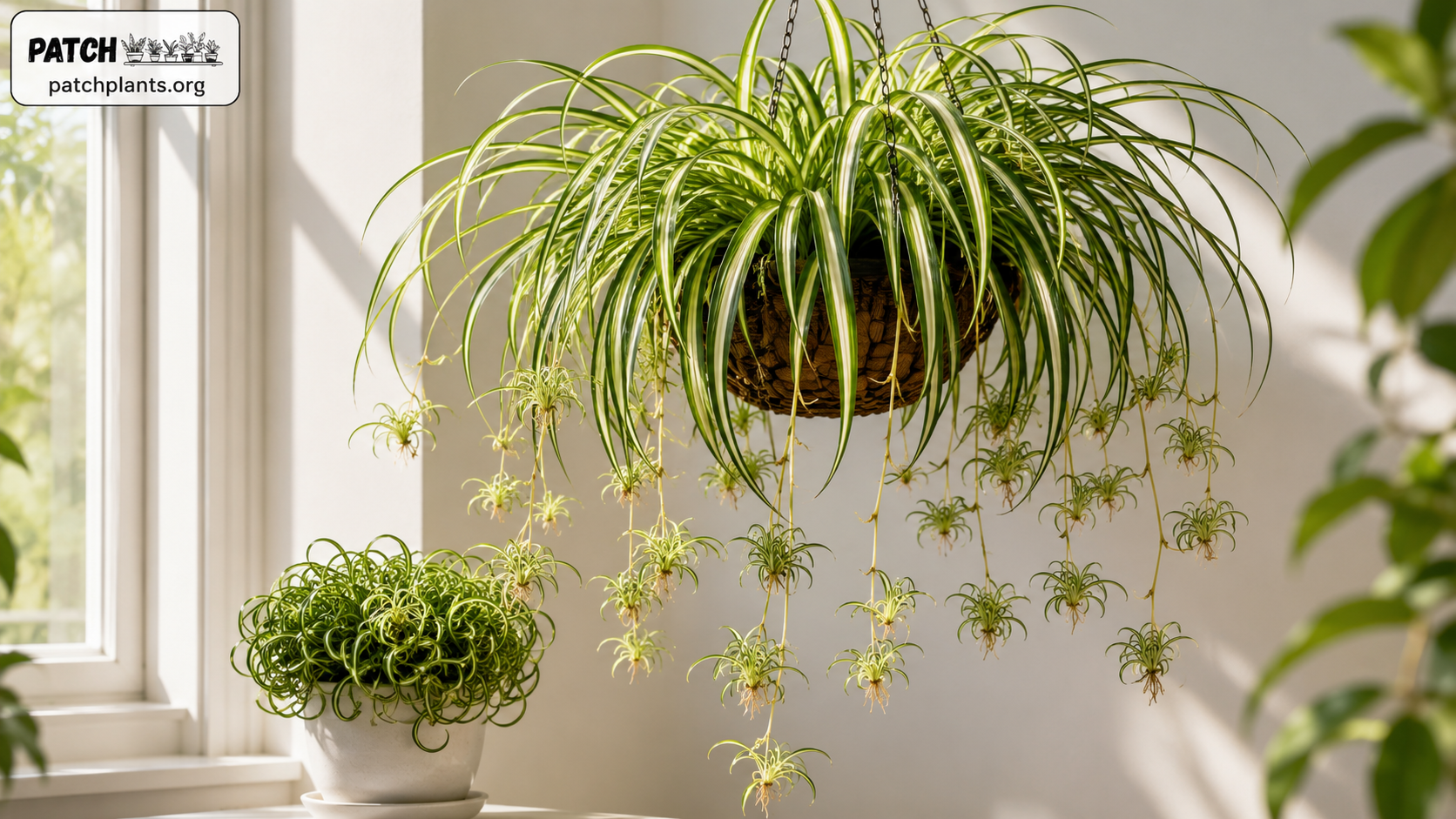
🌿 Key Takeaways Spider plant care is genuinely beginner-friendly — Chlorophytum comosum tolerates low light, irregular watering, inconsistent humidity, and occasional neglect better than almost any other houseplant Chlorophytum spider plant care centers on three rules — bright indirect light, water when the top inch of soil is dry, and never allow roots to sit in standing water Spider plant care indoors is remarkably forgiving — this plant communicates its needs clearly and recovers quickly from both overwatering and underwatering mistakes Are spider plants easy to care for? Yes —…