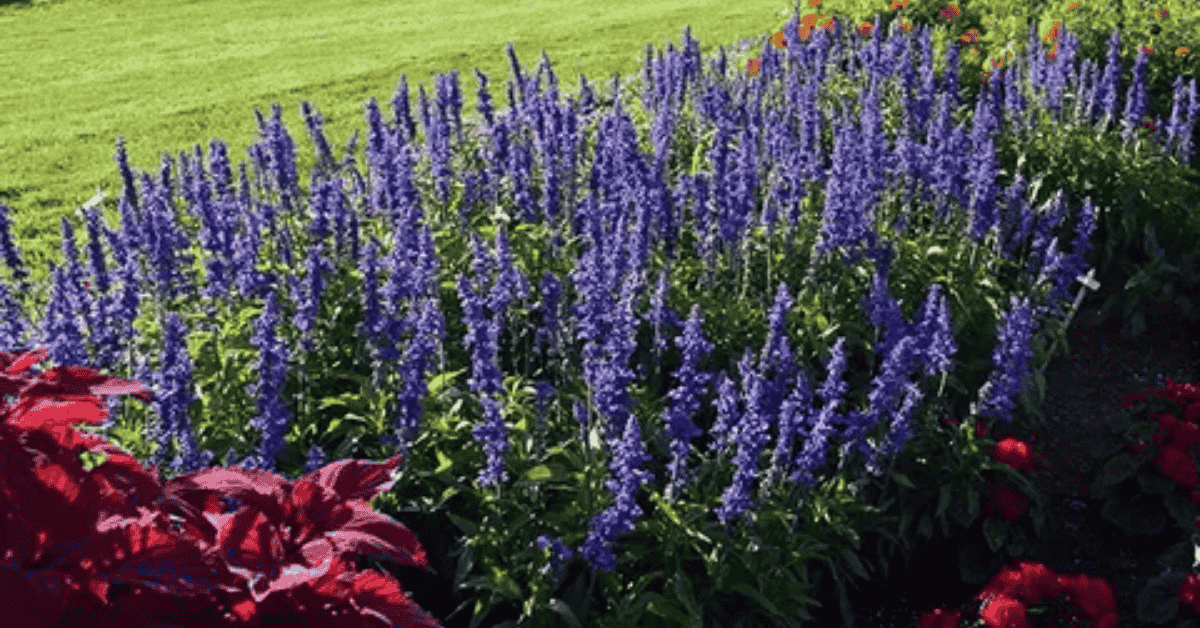
There’s a certain calm that comes from stepping outside and seeing real color and shape return to your outdoor space. From upright evergreens to long-blooming flowers, the right outdoor plants can turn a small patio into a lush retreat or frame a large yard with thoughtful borders. This guide gathers season-by-season ideas, low-maintenance picks, and container inspiration to help you grow confidently with minimal fuss.
New here? Start at Patch Plants for our latest plant care articles and category hubs, or jump to Indoor Plants and Plant Care.
Introduction to Outdoor Plants
Outdoor gardening is wonderfully flexible. Mix annual color with structural perennial shrubs, weave in evergreen shapes for winter interest, and use vines to add height. Choose tones you love—soft pink and purple, bright yellow and orange, fragrant white flowers—and balance them with textured foliage. You can keep things simple (two or three species) or build layered borders that evolve across the season.
Many garden classics trace their origins to Asia and Japan and are now widely grown around the world. Whether planted directly in beds or in containers, planters, pots, window boxes, or baskets, these plants bring reliable bloom and form with very little maintenance.
How to Find Your Growing Zone
Your hardiness zone predicts winter lows and helps you match plants to climate. It’s quick: open a zone map and enter zip code to see your growing zone and recommended range. Once you know your zone, you can confidently choose species and genus that will thrive with less risk and fewer losses.
- Cooler zones: lean on boxwood, hosta, coral-toned heuchera (aka coral bells), spring bulbs, and long-lived borders.
- Milder zones: enjoy lavender, roses, citrus and other fruit, and heat-tolerant annuals with extended bloom.
- Tropical and subtropical areas can play with bold foliage and plants often treated as annuals elsewhere.
Helpful reads: Seasonal Plant Care (Autumn) • Balcony Plants for Wind, Rain & Sun
Outdoor Plant Care Essentials
Great gardens happen when light, water, soil, and timing line up. Keep these basics in mind and you’ll spend more time enjoying and less time troubleshooting.
Watering
Containers dry faster than beds—especially in summer. Water early morning or evening; aim for deep, occasional soaks rather than frequent splashes. Adjust for full sun vs. partial sun sites, and reduce in cool, wet periods or late fall.
Sun & Weather
Match placement to need: sun-lovers (many flowers, herbs, and fruiting plants) belong in bright spots; shade textures like hosta and coral bells prefer filtered light. In cold regions, tender plants and some bulbs are lifted and treated indoors, then replanted when frosts pass.
Soil & Feeding
Use a quality outdoor mix in pots with drainage; refresh the top layer each season. Light monthly feeding during the main growth window supports steady growth and repeat bloom without pushing weak, leggy shapes.
More care help: How to Keep Outdoor Plants Alive • Keep Pests Away (No Harsh Chemicals)
Hanging Baskets & Container Ideas
Hanging baskets, bowls, and tall planters let you garden anywhere—porch, patio, balcony, even a sunny wall. Combine trailing vines with upright accents for balanced form, and repeat colors to tie the display together. Window boxes are perfect for entrances and small spaces; swap seasonal inserts to refresh quickly.
- For scent and pollinators: lavender, roses, and daisies with small white flowers.
- For shade texture: hosta, coral bells, ferns, and green-to-burgundy foliage blends.
- For bold patios: tropicals with architectural leaves; mix upright and cascading shapes.
Ideas to try: Best Plants for Small Outdoor Spaces • Coastal & Windy Environments
Best Outdoor Picks: From Coral Bells to Evergreen Shrubs
Here are reliable families, species, and favorites that earn their keep in borders and containers. Mix them to create a layered landscape with year-round interest.
- Coral bells (Heuchera): prized, valued foliage in many shades; great in edges and mixed pots.
- Hosta: shade workhorse; pair with ferns or spring bulbs along the border.
- Boxwood: tidy, upright form—perfect for structure and clipped shapes.
- Lavender & Roses: classic fragrance and color for full sun patios and paths.
- Evergreen shrubs & small trees: anchor beds through winter and define space.
- Vines: clematis and jasmine add height; train on trellis or arch.
See also: Pollinator-Friendly Plants • Color for All Seasons
Create a Beautiful Display in Your Outdoor Garden
Design from big to small. First, place evergreens and key shrubs to frame the view; next, set border runs and patio containers; finally, thread annual color through gaps. Repeat two or three colors for unity. In compact areas, one striking pot family (same material, different sizes) keeps things tidy and modern.
Remember: gardens change through the year. Plan a spring start, a summer peak, and a quiet, textural fall. When the season ends, tidy containers, mulch beds, and note what to re-site or divide next year. That’s smart, low-maintenance gardening.
Conclusion & Final Outdoor Gardening Tips
Match plants to zone and light, water deeply but not constantly, and refresh soil when needed. With a few thoughtful choices, your porch, patio, or yard will look welcoming from the first bloom of spring to late fall.
🌿 Key Takeaways Shade loving plants thrive in dappled, partial, or full shade — making them perfect for north-facing gardens, under trees, along walls, and in areas that receive less than 3 hours of direct sun daily Perennials shade loving plants are the most rewarding long-term investment for shaded gardens — hostas, astilbe, hellebores, and ferns return year after year with minimal care Shade loving plants for containers and potted shade loving plants include begonias, impatiens, fuchsias, and ferns — all delivering color and texture in shaded patio and balcony…
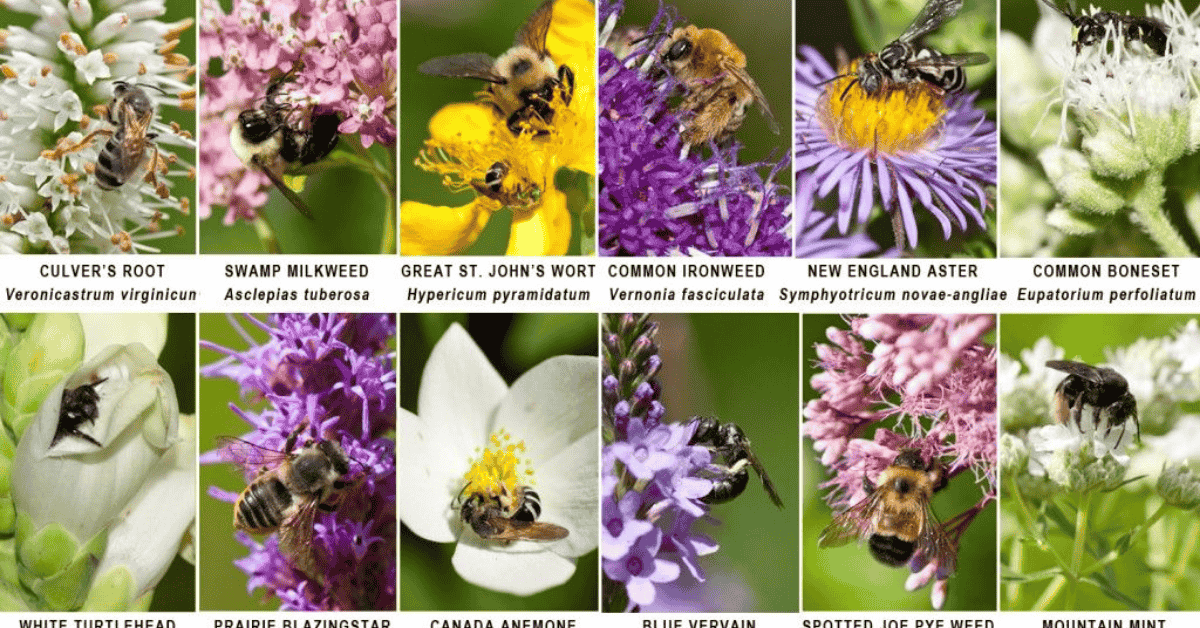
🌿 Key Takeaways A wildlife-friendly garden does not require large space — even a balcony, courtyard, or small front yard can support bees, butterflies, and birds with the right plant choices Native plants are the single most effective foundation of any wildlife-friendly garden — they provide food and shelter perfectly matched to local species without requiring chemical support Sustainable gardening and wildlife support are the same goal — reducing chemicals, composting, conserving water, and choosing native plants all benefit both the garden and the creatures that depend on it Pollinator…
🌿 Key Takeaways Container gardening transforms any patio, balcony, or small outdoor space into a thriving green oasis — no garden bed required Best plants for a container include geraniums, lavender, petunias, herbs, succulents, and compact shrubs — all thrive with correct pot size and soil Best flowering plants for containers provide season-long color — combine thriller, filler, and spiller varieties for the most impressive displays Patio plants need well-draining potting mix, consistent watering, and correct sun exposure — matching plant to position is the most important decision Container perennials…
🌿 Key Takeaways A colorful garden for all seasons is achievable in any yard, patio, or balcony — with the right flower garden planning and plant selection How to design a flower garden that stays vibrant year-round requires layering spring bulbs, summer perennials, autumn bloomers, and winter structural plants Colored perennials are the backbone of any year round garden — they return reliably each season without replanting Annual flower garden ideas provide the seasonal color punch that fills gaps between perennial bloom periods Three season perennial garden plans use overlapping…
🌿 Key Takeaways The USDA plant database is a free government tool listing over 80,000 plant species native to North America — use it to find the right plant for any region or condition The NRCS plants database (plants.usda.gov) is the official full name — it covers native plants, invasive species, wetland plants, and full growth data Searching USDA plants database by state helps you find region-specific native plants that thrive with zero extra care Native plants sourced from the USDA native plants database require up to 70% less water…
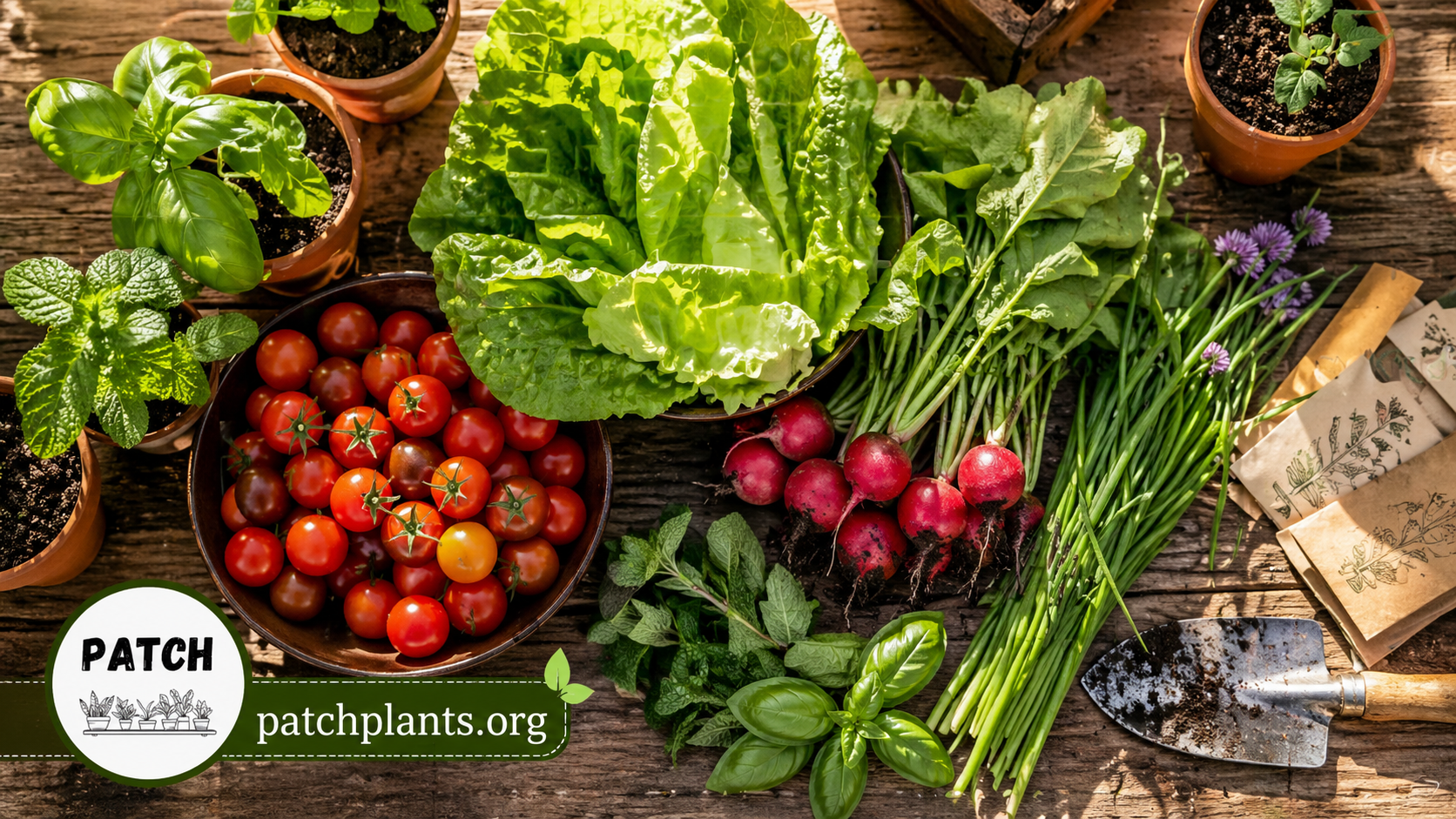
🌿 Key Takeaways Growing your own easiest outdoor edible plants for beginners starts with just 2–3 pots — no backyard required The best beginner vegetables and herbs are lettuce, radishes, cherry tomatoes, basil, mint, chives, and spinach Most beginner-friendly edible plants need only 4–6 hours of sunlight and minimal watering to thrive Container vegetable gardening on a balcony or patio is just as effective as growing in open ground Harvesting regularly encourages faster regrowth — the more you pick, the more you get Edible plants share many care principles with…
There’s something strangely satisfying about stepping outside and seeing a space where colors actually make sense together. Sometimes we don’t notice it right away—it’s just a feeling of calm, or energy, or balance. Other times, it’s obvious: that splash of violet against green leaves, or the way orange flowers catch the last light of day. And that’s really what Color Themes for Your Outdoor Garden are about. They’re less about rigid rules and more about creating moods. I remember visiting a friend’s backyard one summer evening. She had arranged her…
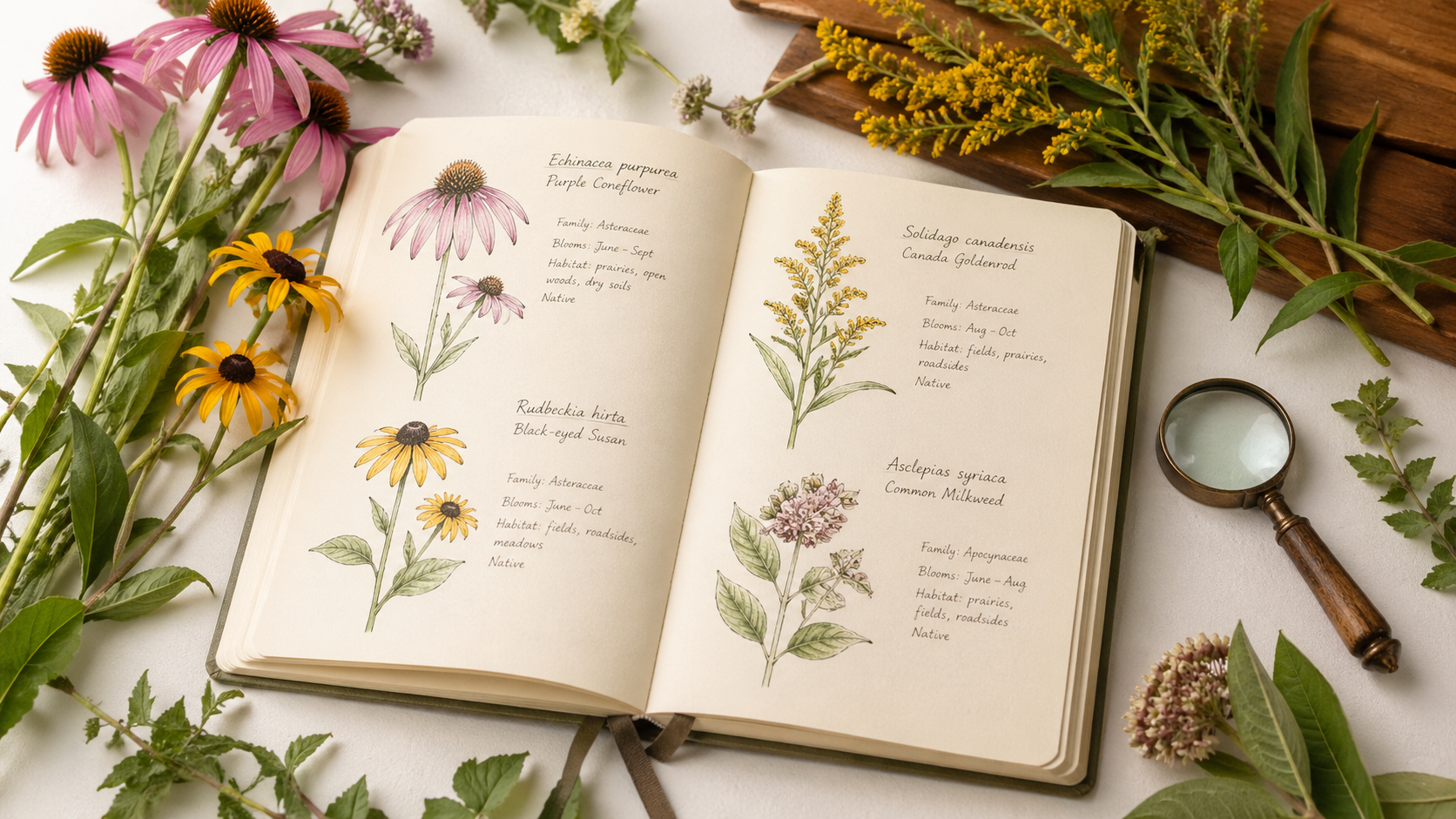
There’s a certain comfort in knowing that nature already figured out what works best long before we began designing gardens or landscaping projects. When you think about it, the land you live on has been hosting plant life for thousands of years. Those species—adapted to the soil, the rainfall patterns, the extremes of heat or cold—are what we call Native Plants. At first glance, “native” might sound restrictive. Maybe you imagine that it limits your options, that you’d miss out on exotic flowers or lush greenery from other parts of…
It’s easy to love a garden when the weather is predictable—steady sunshine, a little rain, mild temperatures. However, the truth is that we are increasingly finding ourselves dealing with extremes. A sudden storm can rip through in minutes. A week-long heatwave can leave a garden scorched. And it raises the question: Which outdoor plants can really handle this new normal? I didn’t think about it much until last summer. A freak storm snapped branches, flattened delicate flowers, and turned the soil into heavy mud. A few days later, a heatwave arrived, baking the…
I’ve often thought about how much difference a few green touches can make to a balcony. You step outside with a cup of tea—or maybe just to stretch your legs—and suddenly the space feels alive. But, of course, there’s always that nagging problem: not every plant can handle the changing weather. Wind, rain, blazing sun—it all takes a toll. So, the real question is: which balcony plants can you count on all year? Plants that don’t just survive but look good, even when the seasons change and the elements test…