Discover expert String of Pearls Care tips to keep your plant thriving with light, watering, propagation, and styling advice from Sawera Shahid.
String of Pearls Care Tips to Keep Your Plant Thriving


At Patch Plants, we believe proper plant care should feel achievable — not complicated. Whether you’re a new gardener or someone who’s been nurturing plants for years, our guides make watering, pruning, feeding, and sunlight selection straightforward so your plants thrive, not just survive. With the right approach to soil, light, and watering, plant care becomes second nature.
Every plant has its own requirements — some prefer bright light, others thrive in partial shade, and a few can tolerate low light. Understanding individual plant needs is the foundation of proper plant care. Most plants need well-draining soil, the right amount of water, and balanced nutrients to grow strong. By learning light requirements, soil types, and watering routines, gardeners can create a healthy environment where plants flourish year-round. Whether you’re caring for indoor plants, outdoor plants, or building a mixed collection, small adjustments make a big difference.
Getting plant care right isn’t about perfection. It’s about paying attention to signs — like yellowing leaves, drooping stems, or dry soil — and responding with the right solution. Proper watering is essential; too much moisture leads to root rot, while too little water causes stress. Regular pruning keeps foliage tidy and supports fresh growth, while the right fertilizer boosts energy for thriving plants. If you’re just getting started, begin with reliable, low maintenance plants and gradually expand your collection as confidence grows.
Watering is one of the biggest questions new plant parents face. The right amount of moisture depends on soil type, pot size, and plant species. Check soil moisture before watering — if the top inch feels dry, it’s time to water most plants. Good drainage prevents excess water from sitting around roots, protecting against diseases. Newly planted and repotted plants need consistent watering until roots establish. For tropical species, occasional misting helps maintain humidity, while drought-tolerant plants prefer soil to dry slightly between watering sessions.
Sunlight acts as the energy source for growth, flowering, and overall health. Some species thrive in full sun, while others prefer gentle morning light or filtered conditions. Placing plants near bright, indirect light keeps foliage lush and encourages steady growth. Be mindful of too much direct sunlight, which can scorch leaves, and remember that winter light levels change — adjusting placement helps plants adapt and prevents stress. Understanding what individual plants prefer helps them flourish in any room or outdoor space.
Light and temperature work hand-in-hand with the right feeding routine. Warm environments encourage growth, while cold drafts can damage sensitive species. Fertilizers provide nutrients for strong roots, rich foliage, and healthy blooms. Apply balanced fertilizer during active growing seasons, and reduce feeding in winter when plant energy slows. Many herbs and houseplants grow best in bright areas with controlled temperatures, and with regular feeding, they reward you with strong growth and fresh foliage.
Selecting plants that match your space makes care effortless. Some species need full sun and consistent moisture, while others handle low light or dry conditions. Consider soil types, available space, and your personal routine before planting. If you’d like an easy start, browse our Indoor Plants or Outdoor Plants collections, or explore helpful guides for potting, irrigation basics, and soil improvement. With thoughtful planning, your space becomes a thriving, green retreat.
Healthy soil is the foundation of a strong plant. Conduct a soil test to understand pH and nutrient levels and adjust using compost or organic matter to uplift structure. Soil that holds water but drains well prevents issues like yellowing leaves or weak roots. Watering schedules change with temperature, season, pot size, and plant species — irrigation habits adapt as your plants grow. Feeding regularly ensures plants receive the energy and nutrients needed to support foliage, roots, and flowering.
Indoor plants bring beauty and calm into your home. Most houseplants do best with bright, indirect light and moderate watering. Check soil before watering and ensure pots have proper drainage holes. Occasional pruning encourages fresh leaves and maintains shape. If you’re new to caring for indoor plants, explore our guide to High-Humidity Indoor Plants and other beginner-friendly species that forgive small mistakes while growing strong and healthy.
Outdoor gardening requires awareness of temperature changes, seasonal sunlight, and moisture needs. Place each plant in a location that matches its sun tolerance — some need full sun, others grow best in shade or partial sun. Mulch helps conserve moisture and protect roots from frost during colder months. Keep an eye on pests and diseases, pruning regularly to maintain shape and airflow. Outdoor plants often develop deep roots and become more self-sufficient over time, rewarding consistent care with strong growth and seasonal blooms.
If you’re new to gardening or want stress-free success, choose low maintenance plants that require minimal pruning, less frequent watering, and simple growing conditions. These species adapt well to different environments, making them perfect for busy plant lovers. They’re resilient, hardy, and forgiving — perfect for building confidence before moving to more delicate varieties.
From battling pests to learning the signs of underwatering, our care guides cover everything you need. Yellowing leaves? Dry edges? Strange spots? Our troubleshooting tips give you clarity. Dive deeper into helpful posts like:
Explore the full care library below — happy growing!
At Patch Plants, we believe proper plant care should feel achievable — not complicated. Whether you’re a new gardener or someone who’s been nurturing plants for years, our guides make watering, pruning, feeding, and sunlight selection straightforward so your plants thrive, not just survive. With the right approach to soil, light, and watering, plant care becomes second nature.
Every plant has its own requirements — some prefer bright light, others thrive in partial shade, and a few can tolerate low light. Understanding individual plant needs is the foundation of proper plant care. Most plants need well-draining soil, the right amount of water, and balanced nutrients to grow strong. By learning light requirements, soil types, and watering routines, gardeners can create a healthy environment where plants flourish year-round. Whether you’re caring for indoor plants, outdoor plants, or building a mixed collection, small adjustments make a big difference.
Getting plant care right isn’t about perfection. It’s about paying attention to signs — like yellowing leaves, drooping stems, or dry soil — and responding with the right solution. Proper watering is essential; too much moisture leads to root rot, while too little water causes stress. Regular pruning keeps foliage tidy and supports fresh growth, while the right fertilizer boosts energy for thriving plants. If you’re just getting started, begin with reliable, low maintenance plants and gradually expand your collection as confidence grows.
Watering is one of the biggest questions new plant parents face. The right amount of moisture depends on soil type, pot size, and plant species. Check soil moisture before watering — if the top inch feels dry, it’s time to water most plants. Good drainage prevents excess water from sitting around roots, protecting against diseases. Newly planted and repotted plants need consistent watering until roots establish. For tropical species, occasional misting helps maintain humidity, while drought-tolerant plants prefer soil to dry slightly between watering sessions.
Sunlight acts as the energy source for growth, flowering, and overall health. Some species thrive in full sun, while others prefer gentle morning light or filtered conditions. Placing plants near bright, indirect light keeps foliage lush and encourages steady growth. Be mindful of too much direct sunlight, which can scorch leaves, and remember that winter light levels change — adjusting placement helps plants adapt and prevents stress. Understanding what individual plants prefer helps them flourish in any room or outdoor space.
Light and temperature work hand-in-hand with the right feeding routine. Warm environments encourage growth, while cold drafts can damage sensitive species. Fertilizers provide nutrients for strong roots, rich foliage, and healthy blooms. Apply balanced fertilizer during active growing seasons, and reduce feeding in winter when plant energy slows. Many herbs and houseplants grow best in bright areas with controlled temperatures, and with regular feeding, they reward you with strong growth and fresh foliage.
Selecting plants that match your space makes care effortless. Some species need full sun and consistent moisture, while others handle low light or dry conditions. Consider soil types, available space, and your personal routine before planting. If you’d like an easy start, browse our Indoor Plants or Outdoor Plants collections, or explore helpful guides for potting, irrigation basics, and soil improvement. With thoughtful planning, your space becomes a thriving, green retreat.
Healthy soil is the foundation of a strong plant. Conduct a soil test to understand pH and nutrient levels and adjust using compost or organic matter to uplift structure. Soil that holds water but drains well prevents issues like yellowing leaves or weak roots. Watering schedules change with temperature, season, pot size, and plant species — irrigation habits adapt as your plants grow. Feeding regularly ensures plants receive the energy and nutrients needed to support foliage, roots, and flowering.
Indoor plants bring beauty and calm into your home. Most houseplants do best with bright, indirect light and moderate watering. Check soil before watering and ensure pots have proper drainage holes. Occasional pruning encourages fresh leaves and maintains shape. If you’re new to caring for indoor plants, explore our guide to High-Humidity Indoor Plants and other beginner-friendly species that forgive small mistakes while growing strong and healthy.
Outdoor gardening requires awareness of temperature changes, seasonal sunlight, and moisture needs. Place each plant in a location that matches its sun tolerance — some need full sun, others grow best in shade or partial sun. Mulch helps conserve moisture and protect roots from frost during colder months. Keep an eye on pests and diseases, pruning regularly to maintain shape and airflow. Outdoor plants often develop deep roots and become more self-sufficient over time, rewarding consistent care with strong growth and seasonal blooms.
If you’re new to gardening or want stress-free success, choose low maintenance plants that require minimal pruning, less frequent watering, and simple growing conditions. These species adapt well to different environments, making them perfect for busy plant lovers. They’re resilient, hardy, and forgiving — perfect for building confidence before moving to more delicate varieties.
From battling pests to learning the signs of underwatering, our care guides cover everything you need. Yellowing leaves? Dry edges? Strange spots? Our troubleshooting tips give you clarity. Dive deeper into helpful posts like:
Explore the full care library below — happy growing!
Discover expert String of Pearls Care tips to keep your plant thriving with light, watering, propagation, and styling advice from Sawera Shahid.

🌿 Key Takeaways Fertilizing Indoor vs Outdoor Plants is not the same because indoor pots have limited soil, while outdoor plants receive natural support from rain, worms, microbes, and organic matter. Indoor plants usually need a balanced liquid fertilizer at half strength every 2–4 weeks during spring and summer. Liquid fertilizer is the easiest option for indoor plants because you can dilute it and adjust feeding based on how the plant responds. Natural options like diluted worm castings, compost tea, and banana peel water can give indoor plants gentle nutrition…
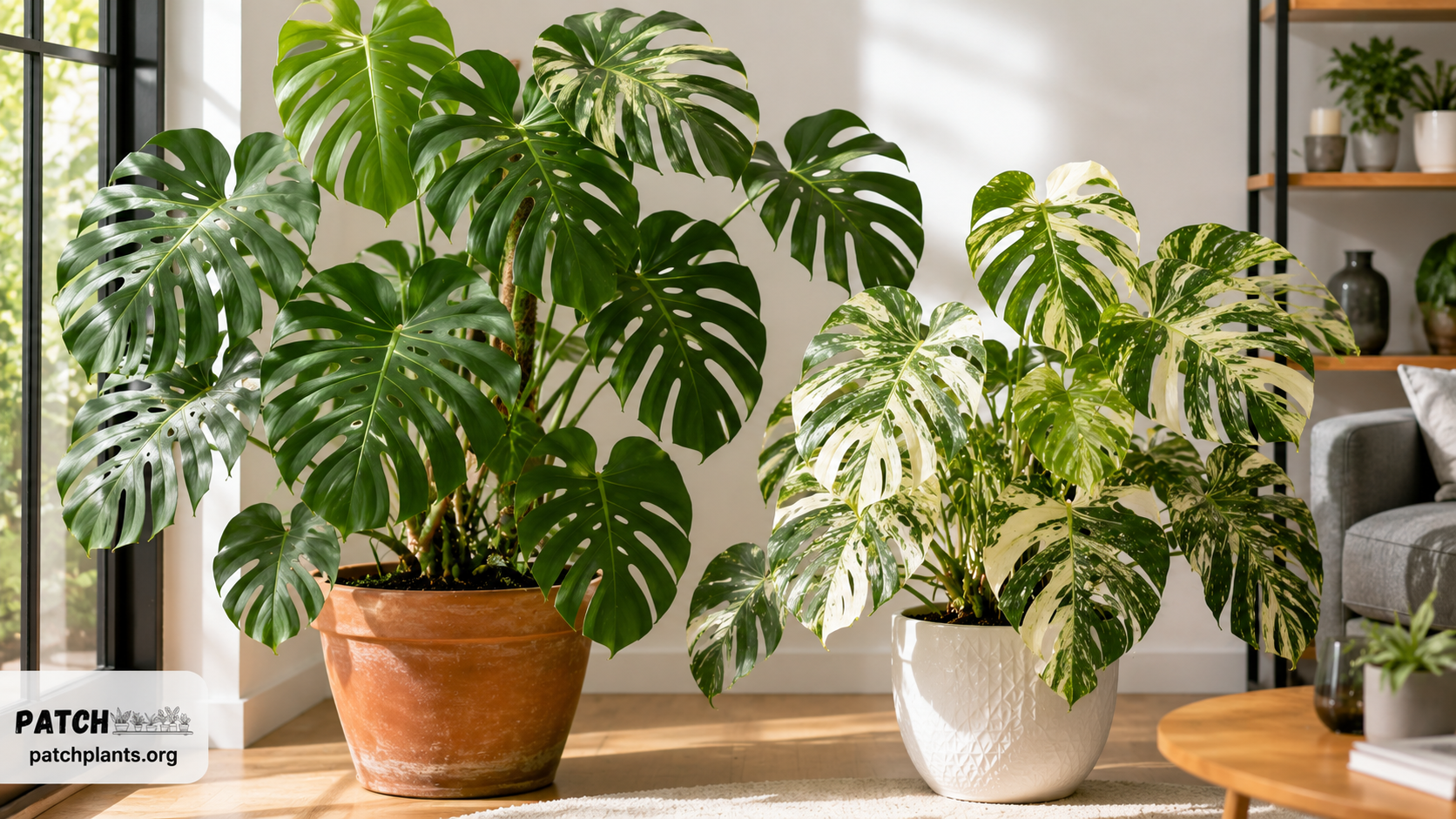
🌿 Key Takeaways Monstera plant care centers on three rules — bright indirect light, water only when top 2 inches dry, and well-draining potting mix with perlite Monstera care for beginners is genuinely accessible — Monstera deliciosa is one of the most forgiving large tropical plants available for indoor growing Monstera deliciosa care requires bright indirect light to develop the iconic fenestrations (natural leaf holes) that make this plant so visually dramatic Monstera adansonii care needs higher humidity than deliciosa — its smaller, hole-filled leaves lose moisture faster and benefit…
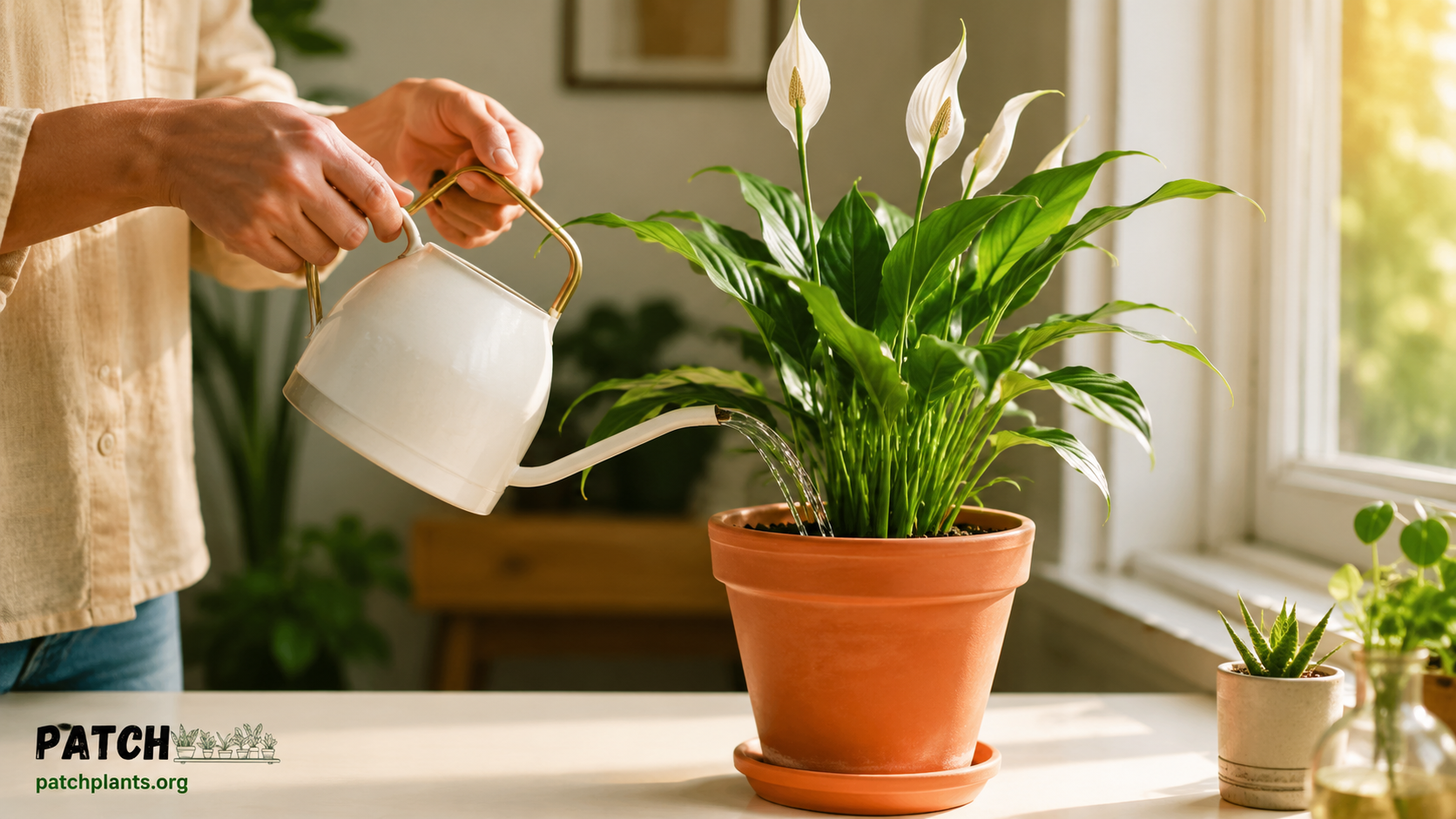
🌿 Key Takeaways How often to water plants depends on plant type, pot size, season, and humidity — never water on a fixed schedule without checking soil first Best times to water plants is always morning — cooler temperatures reduce evaporation and morning moisture dries before evening, preventing fungal disease Is it ok to water plants at night? No — evening watering leaves moisture on leaves and soil overnight, promoting fungal growth and root rot Watering plants on vacation requires planning — self-watering pots, wicking systems, or asking a plant-sitter…
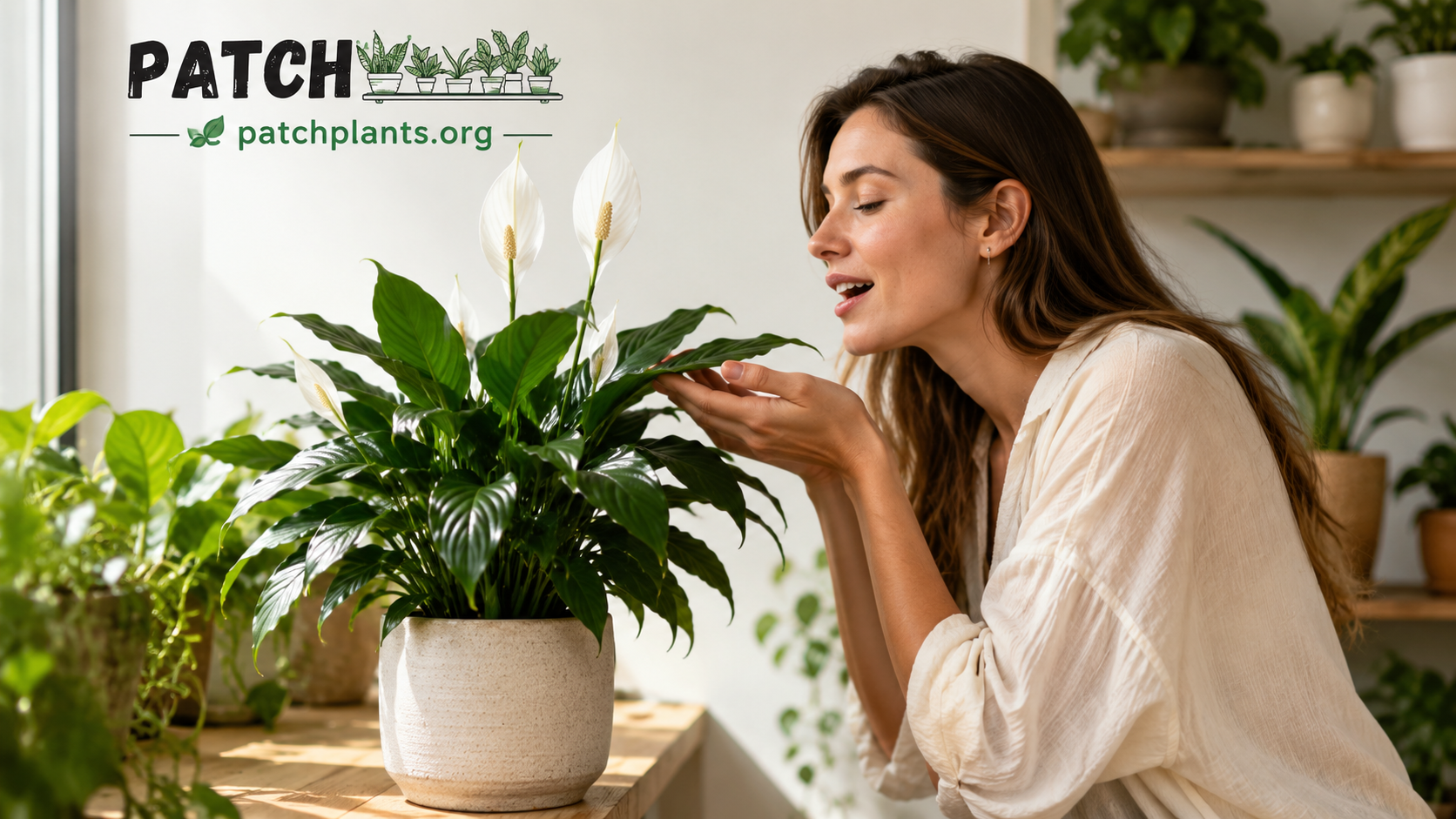
🌿 Key Takeaways Do plants grow better if you talk to them? Research suggests yes — sound vibrations from human voices stimulate biological processes including nutrient flow, stomatal opening, and gene expression Do plants respond to talking? Yes — not to the words themselves, but to the sound wave frequencies produced by human voices, which fall in ranges that measurably affect plant cellular activity Do plants communicate with each other? Yes — through volatile chemical compounds, root network signals, and mycorrhizal fungal connections that form complex underground communication systems Do…
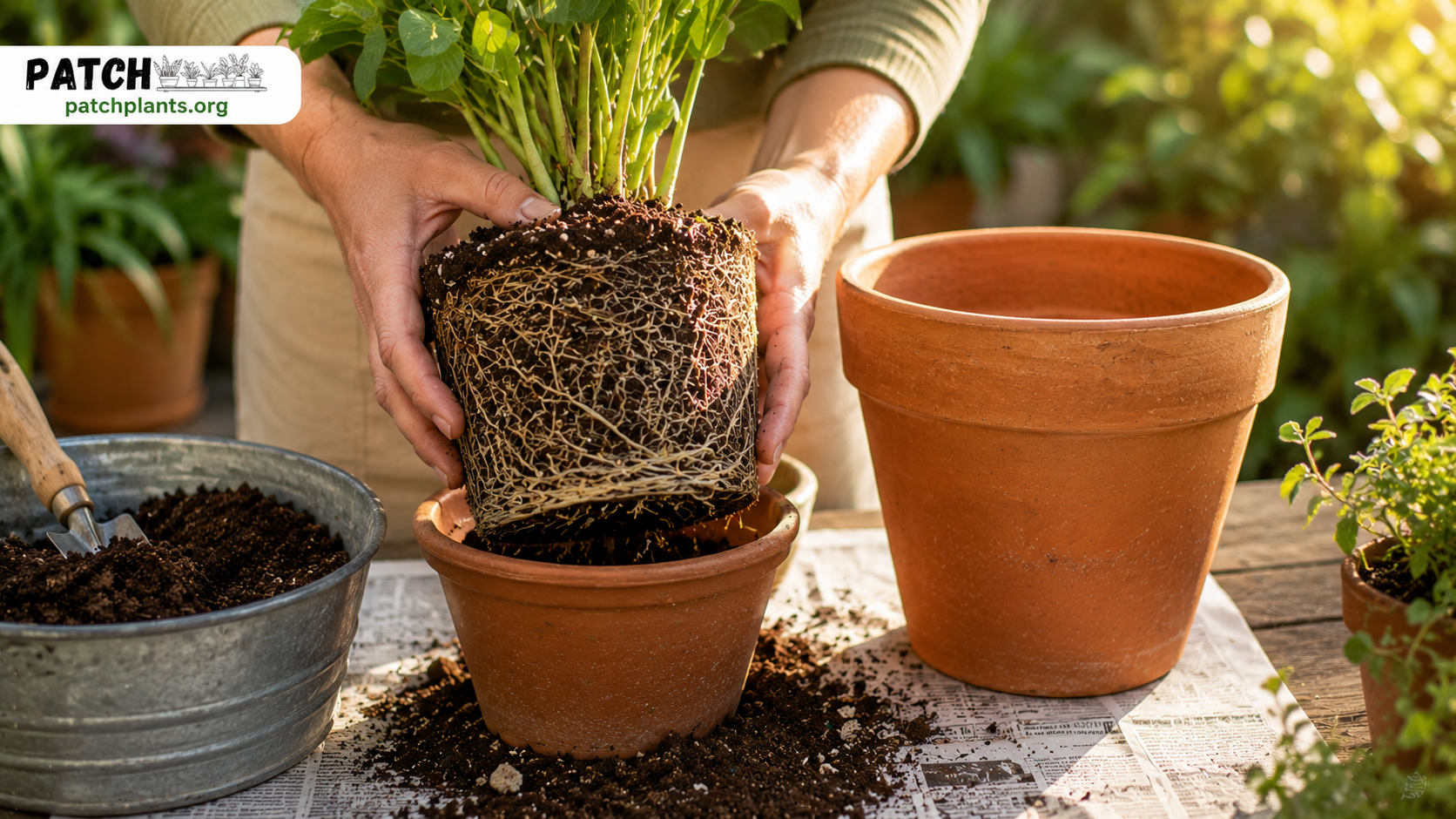
🌿 Key Takeaways How to repot a plant correctly — water 24 hours before, choose a pot 2–3cm wider, use fresh potting mix, inspect roots, and wait 48 hours before first post-repot watering Signs plant needs repotting include roots emerging from drainage holes, soil drying within 2 days of watering, stunted growth, and a plant that becomes unstable or top-heavy Root bound plant symptoms — circling roots, cracked pots, and water running straight through without absorbing — indicate immediate repotting is needed Best time to repot plants is early spring…
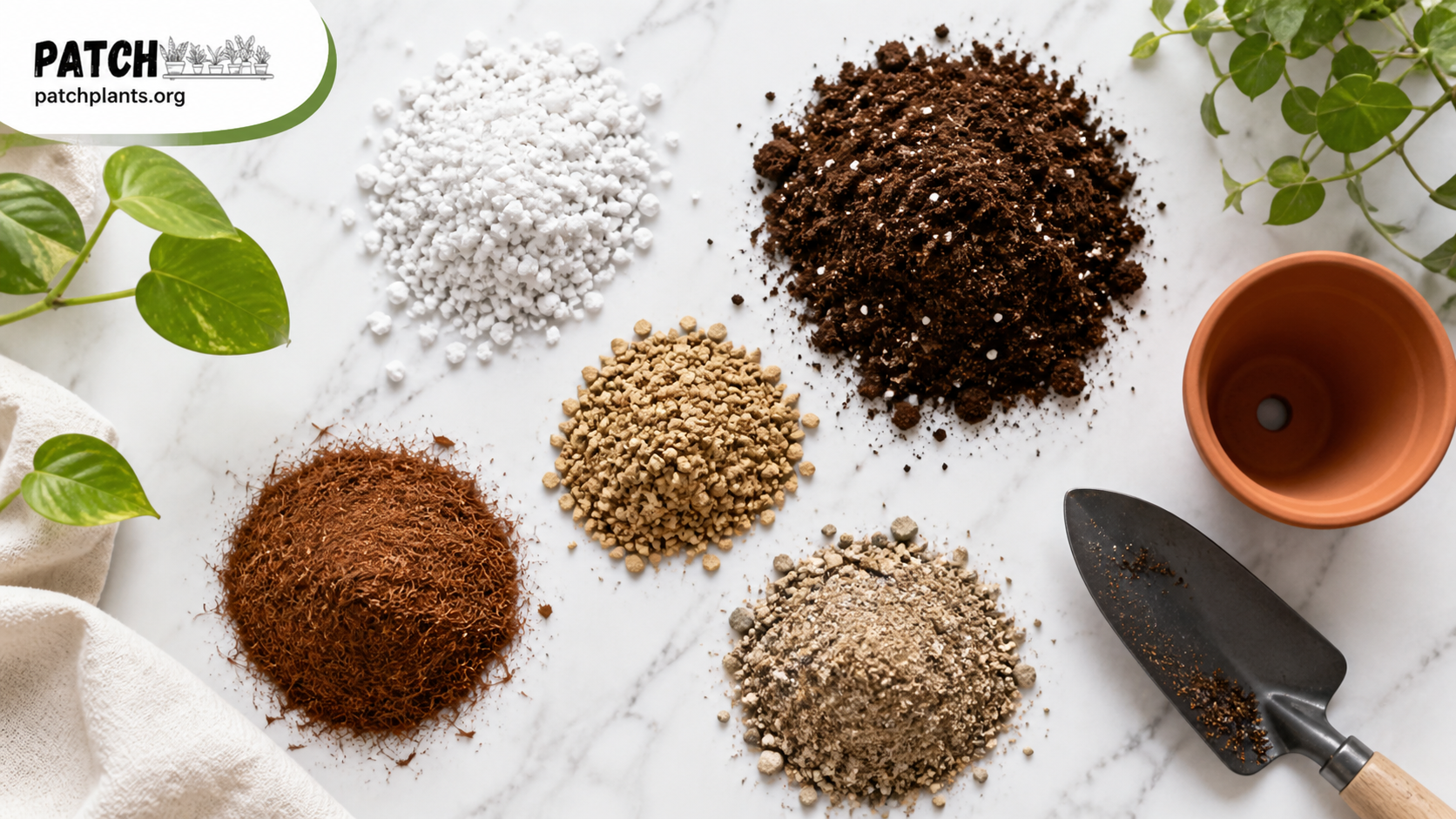
🌿 Key Takeaways Best potting soil is not universal — succulents, ferns, tropical plants, and cacti each need completely different soil compositions to thrive Cactus soil mix and cactus and succulent mix must drain immediately — any moisture retention causes root rot in desert species Best soil for snake plants is a cactus potting mix with added perlite — never standard potting compost which stays too wet How to make potting soil for succulents at home: 2 parts coarse sand or perlite + 1 part cactus soil + 1 part…

🌿 Key Takeaways How to care for aloe vera plant comes down to three rules — bright indirect light, infrequent watering, and well-draining soil Does aloe vera need sunlight? Yes — aloe vera sunlight requirements are 6–8 hours of bright indirect light daily. Direct intense sun causes leaf scorch Aloe vera plant water needs are minimal — water only when soil is completely dry 2 inches deep, roughly every 2–3 weeks Best potting soil for aloe vera plants is a cactus or succulent specific mix with added perlite — never…

🌿 Key Takeaways Indoor light affects mood, productivity, sleep quality, plant health, and the overall feel of every room in your home Grow lights for indoor plants are not just for professional growers — any plant owner with limited natural light can use them effectively What are grow lights? They are artificial light sources designed to emit the specific light spectrum that plants use for photosynthesis Best grow lights for indoor plants are full-spectrum LED grow lights — energy-efficient, long-lasting, and suitable for seedlings through mature plants What kind of…

🌿 Key Takeaways Peace lily care requires bright indirect light, evenly moist soil, and medium to high humidity — three conditions most homes naturally provide Benefits of peace lily plants include powerful air purification, elegant white blooms, and exceptional tolerance of low light conditions Do peace lilies clean the air? Yes — they absorb formaldehyde, benzene, and carbon monoxide making them one of the most effective air-purifying houseplants available Peace lily light requirements are flexible — they thrive in bright indirect light but survive in low light better than most…